 tammy@sh-baiqiang.com


 English
 русский
 Español
 Deutsch
 عربى


How Does a High Capacity Laundry Tunnel Handle Continuous Loads?
2026-11-06
Large commercial laundry facilities face a practical production problem: linen keeps arriving while another batch is still being washed. Hotels, hospitals, textile rental operations, and central laundry plants may handle sheets, towels, uniforms, and other textile loads throughout the day. A High Capacity Laundry Tunnel approaches this workload differently from a conventional batch washer by turning washing into a continuous process, with textile loads moving through a sequence of washing compartments.
Shanghai Baiqiang Washing Equipment Manufacturing Co., Ltd. builds tunnel washing systems around this continuous movement principle. Instead of placing an entire load into one chamber and waiting for the complete cycle to finish, the tunnel divides the washing process into several stages. Linen enters from one end, moves through different compartments, and progresses toward rinsing and extraction. The equipment can therefore form part of a production line rather than operating as an isolated washing machine.
Separating Washing Into Different Stages
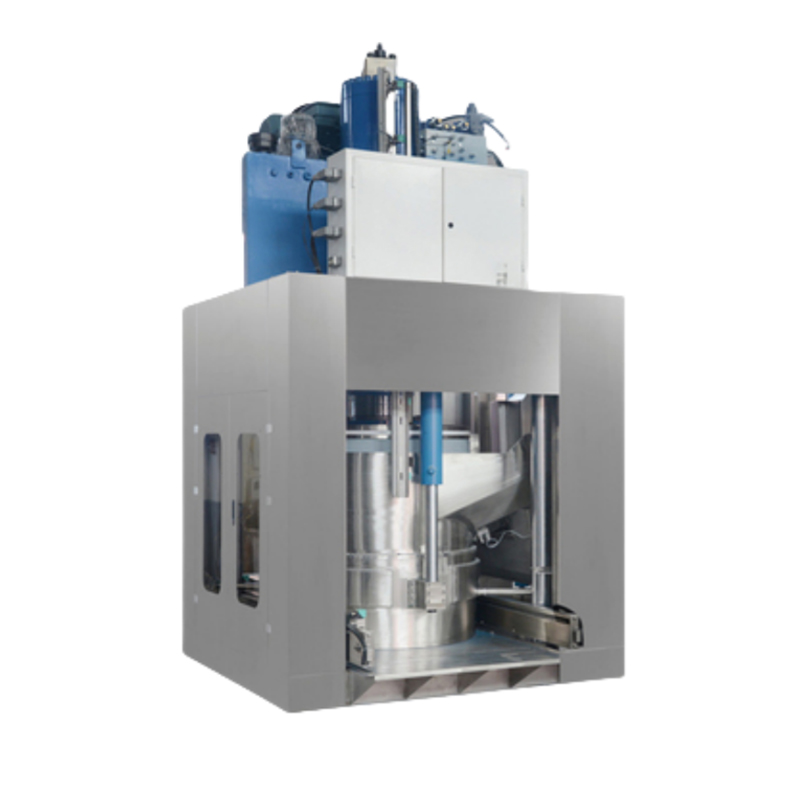
The internal structure is one of the main technical considerations when manufacturing a High Capacity Laundry Tunnel. Different sections can perform different tasks, such as soaking, washing, and rinsing. This separation allows the washing sequence to remain organized as linen travels through the machine.
For example, heavily soiled hotel towels may require a different washing sequence from lightly used sheets. Instead of treating the entire process as one large operation, the tunnel arrangement provides several process stages that can be configured around the textile load. Shanghai Baiqiang manufactures tunnel systems with multiple washing compartments so the equipment can be matched to the operating requirements of industrial laundry lines.
This staged approach also changes how operators think about production capacity. The goal is not simply to put more linen into a single drum. It is to maintain a steady movement of textile loads through the washing line.
Keeping Material Moving Through the Line
A High Capacity Laundry Tunnel depends on controlled textile movement as much as washing performance. If linen enters the system at irregular intervals, the downstream equipment may not receive a consistent flow. For this reason, loading, compartment arrangement, discharge, and the connection with extraction equipment all need to work as one process.
Shanghai Baiqiang's tunnel washer systems are designed to connect washing with subsequent dewatering equipment. After the linen passes through the washing stages, it can move toward a press extractor for water removal. This arrangement reduces the need to treat each washing batch as a separate handling task.
The result is a production sequence in which washing and dewatering are linked. For large laundry plants, that connection can be important because the washing machine is only one section of a much longer textile-processing line.
Matching the Tunnel to Different Laundry Operations
Not every laundry plant handles the same textile mix or daily workload. A hotel laundry may process large quantities of sheets and towels, while a healthcare laundry may handle uniforms and other institutional textiles. Garment factories and textile rental operations can have different loading patterns as well.
This is where configuration becomes part of manufacturing rather than an afterthought. Shanghai Baiqiang can adjust tunnel washer configurations according to production requirements, including the number and arrangement of washing compartments, loading and unloading methods, and control-system options.
A High Capacity Laundry Tunnel therefore needs to be considered together with the rest of the laundry line. The useful question is not simply how much linen the machine can wash. It is how the equipment receives incoming textiles, moves them through successive washing stages, and transfers them to the next process without disrupting the overall workflow.
Why Continuous Washing Changes Factory Layout
The installation of a High Capacity Laundry Tunnel also influences how a laundry plant organizes its working area. A batch washer generally requires space and operating procedures around individual washing cycles. A continuous tunnel system instead creates a directional flow from loading to washing, extraction, and the following finishing stages.
For Shanghai Baiqiang, this means manufacturing decisions have to consider more than the washing chambers themselves. The tunnel must fit the intended production sequence and interface with equipment positioned before and after it. Loading equipment, press extraction, and textile handling can all affect how the complete line operates.
This production-line approach makes tunnel washing particularly relevant to centralized laundry facilities where large quantities of linen need to move through the same sequence repeatedly. The machine becomes part of the process architecture rather than a standalone washer.
The role of a High Capacity Laundry Tunnel is therefore closely connected to workflow. Its value lies in dividing washing into controlled stages, maintaining textile movement, and connecting washing with the next step in processing. By manufacturing tunnel washer systems around these requirements, Shanghai Baiqiang Washing Equipment Manufacturing Co., Ltd. approaches industrial laundry equipment as a complete production process rather than simply a larger version of a conventional washing machine.
Shanghai Baiqiang Washing Equipment Manufacturing Co., Ltd. is a powerhouse in laundry washing technology. For decades, we’ve been laser-focused on one mission: building world-class washing systems that redefine performance, reliability, and innovation.
- E-mail: tammy@sh-baiqiang.com
- Phone: +86-18017012936
- Add: No. 923, Chengzhong Road, Fengxian District, Shanghai 201411, P.R.China

Copyright @ Shanghai Baiqiang Washing Equipment Manufacturing Co., Ltd. All rights reserved.
